About Newton Ring Microscope full setup
NEWTON RING MICROSCOPE FULL SETUP
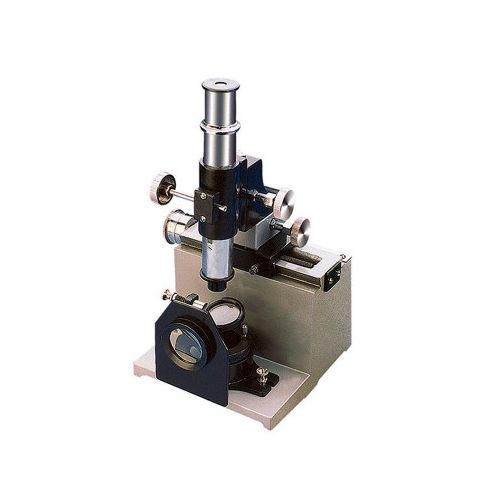
The Newton Ring Microscope Full Setup is a precision optical instrument designed for studying Newtons Rings and determining the wavelength of monochromatic light. It is widely used in physics laboratories, research institutions, and educational organizations for experiments related to interference and optical phenomena.
FEATURES
High precision travelling microscope
Stable optical arrangement
Accurate measurement mechanism
Durable laboratory construction
Smooth focusing and adjustment controls
Easy operation and calibration
APPLICATIONS
Physics laboratories
Optics experiments
Engineering colleges
Research institutions
Educational demonstrations
BENEFITS
Provides accurate interference pattern observation
Enhances understanding of optical principles
Supports precise wavelength measurements
Reliable and repeatable experimental results
Ideal for academic and research applications
Precision Measurement for Physics LabsEquipped for reliable wavelength measurements using Newton's rings, this microscope features fine graduations, anti-reflection optics, and stable construction. Its manual focusing mechanisms, adjustable stage movements, and vernier scale ensure easy yet precise readings essential in laboratory experimentation and research.
Versatile Viewing and High-Quality OpticsThe setup offers interchangeable 10X/15X achromatic eyepieces and a large 50 mm plano-convex objective lens. These optical elements, crafted from high-quality glass, enhance clarity and contrast, making it ideal for detailed fringe analysis. The removable lens holder facilitates effortless alignment and cleaning.
Durability and User-Friendly OperationThe microscope's anti-corrosive powder-coated surface and heavy cast iron base provide longevity and stability. Manual operation with convenient coarse and fine adjustments, fine X-Y stage movement, and adaptable illumination options ensure simple setup and use in diverse laboratory settings.
FAQ's of Newton Ring Microscope full setup:
Q: How is the Newton Ring Microscope used for wavelength measurement?
A: This microscope is primarily utilized to measure the wavelength of light by forming and analyzing Newton's rings interference patterns on an optically flat glass plate. The adjustable sample stage and precision vernier scale allow users to accurately determine ring diameters, which are then used to calculate the wavelength.
Q: What are the focusing mechanisms available in this microscope?
A: The instrument features both coarse and fine focusing adjustment screws, allowing for rapid focusing and precise, micro-level adjustments during observation. This dual mechanism ensures sharp, clear viewing of interference fringes, regardless of the sample or magnification.
Q: When should the built-in electric lamp be used instead of the plane mirror?
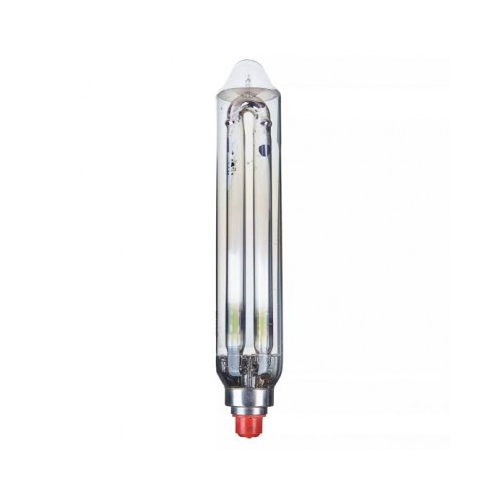
A: The built-in electric lamp is recommended when a stable and consistent light source is required, such as in environments lacking suitable natural or laboratory lighting. The plane mirror is suitable for external light sources, offering flexibility based on available lab infrastructure.
Q: Where is the most suitable environment to operate the microscope?
A: The Newton Ring Microscope is designed for use in typical ambient laboratory conditions with a stable bench and proper electrical supply (if using the built-in lamp). No temperature control is required, but a clean, dust-free environment is ideal for precision optical measurements.
Q: What is the process for aligning the removable lens holder?
A: To ensure accurate fringe formation, the removable lens holder must be inserted with precision. Users should gently secure the holder into the microscope body, making sure it aligns with the optical axis, and lock it into place using the provided mechanism before commencing measurements.
Q: What are the primary benefits of this Newton Ring Microscope setup?
A: Key advantages include highly accurate readings (least count 0.01 mm), durable construction, versatility in illumination, and superior optical quality. The modular, manual design allows straightforward operation, reliability, and ease of maintenance for laboratory users.








 Send Inquiry

 Send Inquiry
 Send Inquiry
 Send SMS
 Call Me Free